Start Where You Are
No baseline is too modest. Walking, gentle stretching, and deliberate posture adjustments all count as intentional movement.
Understanding how three essential pillars of daily living interact — and how nurturing each one supports the others — is the starting point for a more considered and fulfilling routine.
The Concept
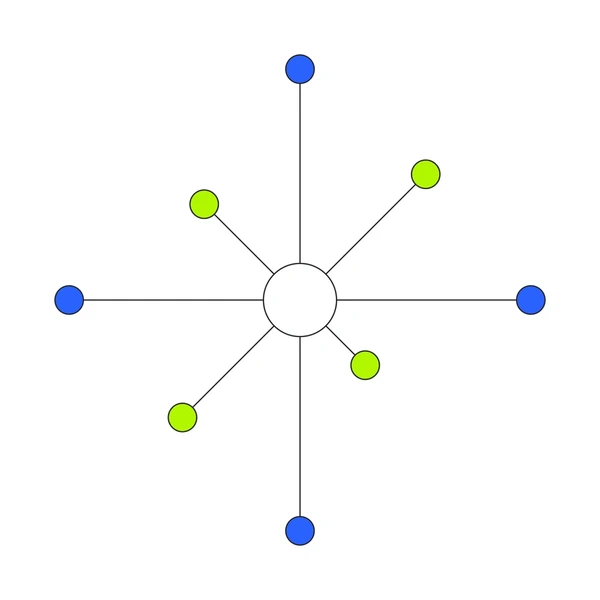
Movement, nutrition, and rest are not three separate topics — they are aspects of a single integrated system. The quality of your sleep influences how you approach food the next day. How you eat affects the energy available for movement. The activity you engage in shapes how deeply you rest.
When we think of balance in this context, we are not talking about equal portions of time or effort. We mean a thoughtful, responsive relationship between these three areas — one that adapts to seasons, circumstances, and how you feel on any given day.
At , we explore what this balance looks like in practice: not as a fixed formula, but as a living, flexible approach that each person shapes for themselves.
No baseline is too modest. Walking, gentle stretching, and deliberate posture adjustments all count as intentional movement.
Alternating between different types of activity — walking, strength, flexibility, balance — keeps your practice interesting and broad.
Showing up regularly at a manageable level brings more lasting benefit than occasional high-effort sessions followed by long gaps.
The effort you invest in activity is matched by the rest your body needs to integrate it. One supports the other.
Moving with others — walking with a friend, joining a community class — adds a social dimension that enriches the experience.
Time in natural environments adds sensory richness to movement — fresh air, changing scenery, and natural light all contribute to the experience.
Nutrition
Nutrition is the ongoing art of choosing foods that nourish your body and bring satisfaction. It is not about achieving perfection — it is about building a relationship with eating that feels sustainable and informed.
A varied diet that includes plenty of vegetables, fruits, whole grains, legumes, and quality proteins gives your body a broad range of the nutrients it uses each day. Adequate hydration ties everything together.
Eating patterns matter too: regular mealtimes, unhurried eating, and paying attention to hunger and fullness cues all support a healthier relationship with food over time.
See Nutrition in the Daily FrameworkRest
In a world that often treats rest as optional, choosing to prioritize it is an act of intention. Quality rest is foundational — it shapes your mood, your clarity, your appetite, and your capacity for movement the following day.
Rest includes sleep, of course — ideally consistent in timing and sufficient in duration — but also quieter forms of recovery: time away from screens, moments of stillness, gentle breathing, and activities that you genuinely find restorative.
Building rest into your daily structure, rather than fitting it around everything else, transforms it from an afterthought into an anchor.
See Rest in the Daily FrameworkNext Step
Explore how to structure movement, nutrition, and rest across your day with a practical framework designed to adapt to your life.
All materials and practices presented are for educational and informational purposes only and are intended to support general well-being. They do not constitute medical diagnosis, treatment, or advice. Before applying any practice, especially if you have chronic conditions, consult a qualified healthcare professional.